Faster gear changes · Increased torque capacity · Bespoke mapping · All automatic gearboxes
Automatic gearbox remapping in Lille
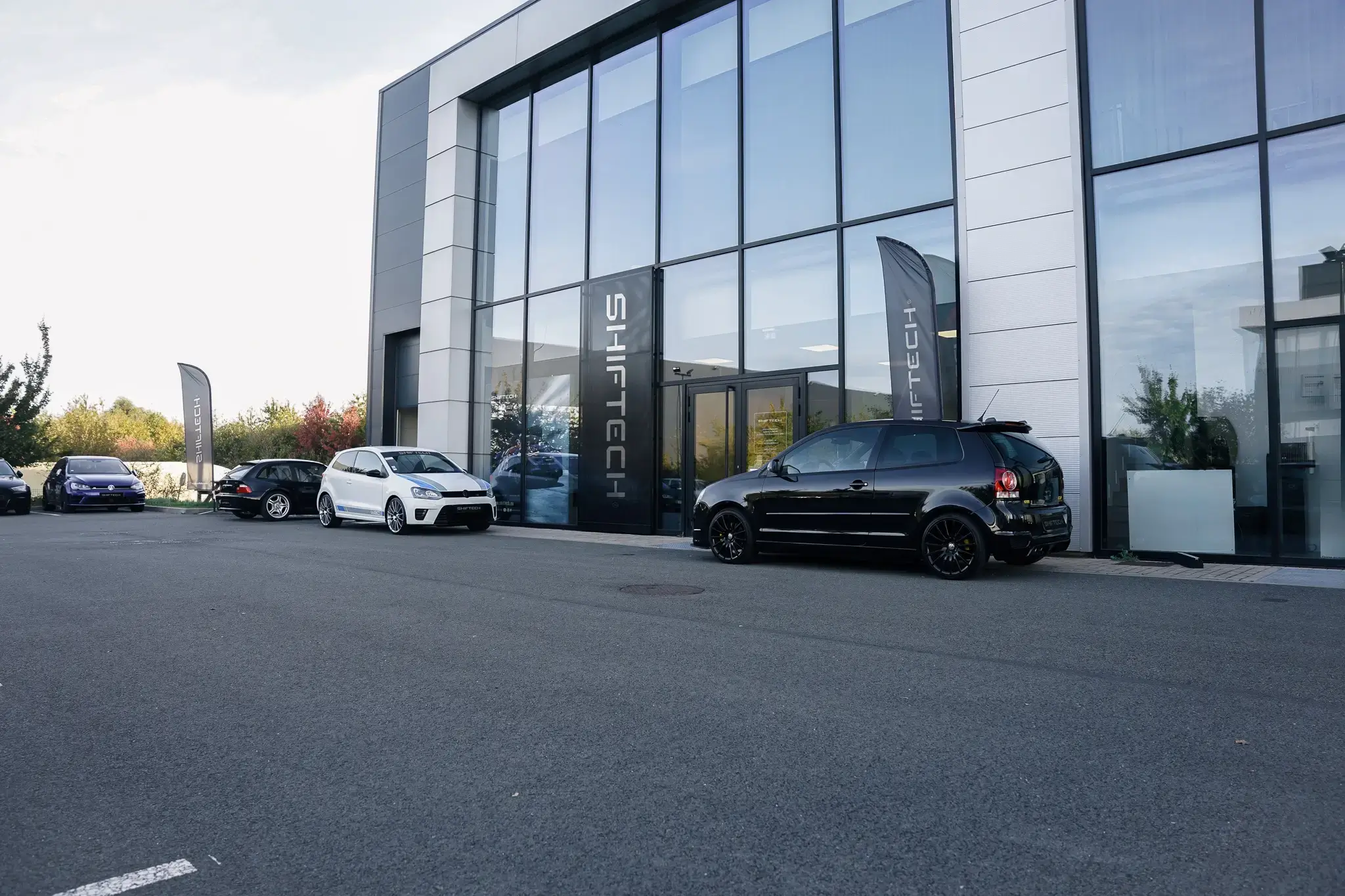
In Sainghin-en-Mélantois, south-east of Lille, your Shiftech Lille centre specialises in reprogramming automatic gearboxes. Whether it’s to complement an engine upgrade or to improve the responsiveness of your transmission on a standard vehicle, our team works on all automatic gearboxes compatible with our mapping tools.
Why reprogram your automatic gearbox?
There are three main reasons why customers come to Lille to have their automatic gearbox remapped:
1. To complement a Stage 1, 2 or 3 engine remap
This is the most common scenario. An engine tune increases available torque by 20 to 40 per cent: on a Cupra Leon that has gone from 245 to 310 ch, the gearbox suddenly has to transmit far more than it was factory-calibrated for. Without recalibration, the internal clutches slip to absorb the difference, wear out more quickly, and the ECU may eventually trigger a limited-performance mode whilst driving. Reprogramming the automatic gearbox at the same time as the engine prevents this situation: the gearbox handles the new torque rather than simply enduring it.
2. To make the gearbox more responsive for sporty driving
Many models sold in the region, such as the Golf R, BMW M2, Audi RS3 and Mégane RS, leave the factory with a gearbox that has been deliberately softened: the manufacturer prioritises comfort and longevity over sharp gear changes. As a result, on the A1 towards Paris or on the A22 towards the border, the kickdown takes a fraction of a second too long to engage, and downshifts using the paddles lack bite. Reprogramming removes this commercial safety margin and restores the responsiveness that the hardware is actually capable of.
3. To correct unsatisfactory factory-set behaviour
Certain gearboxes have a well-known reputation for jerkiness or hesitation in urban driving: the EAT8 in Stellantis models, PowerShift in Ford, and the DSG 7 struggles during repeated stops and starts. On the Lille bypass or the North-West ring road, where stop-and-go traffic is common, these early software teething problems quickly become a daily nuisance. Recalibrating the mapping smooths out these transitions without altering the mechanics of the gearbox.
What reprogramming does NOT do: it does not fix a mechanically faulty gearbox. If your automatic gearbox has proven slippage issues, leaks or abnormal noises, start with a diagnostic check and a MotulEvo oil change before considering reprogramming.
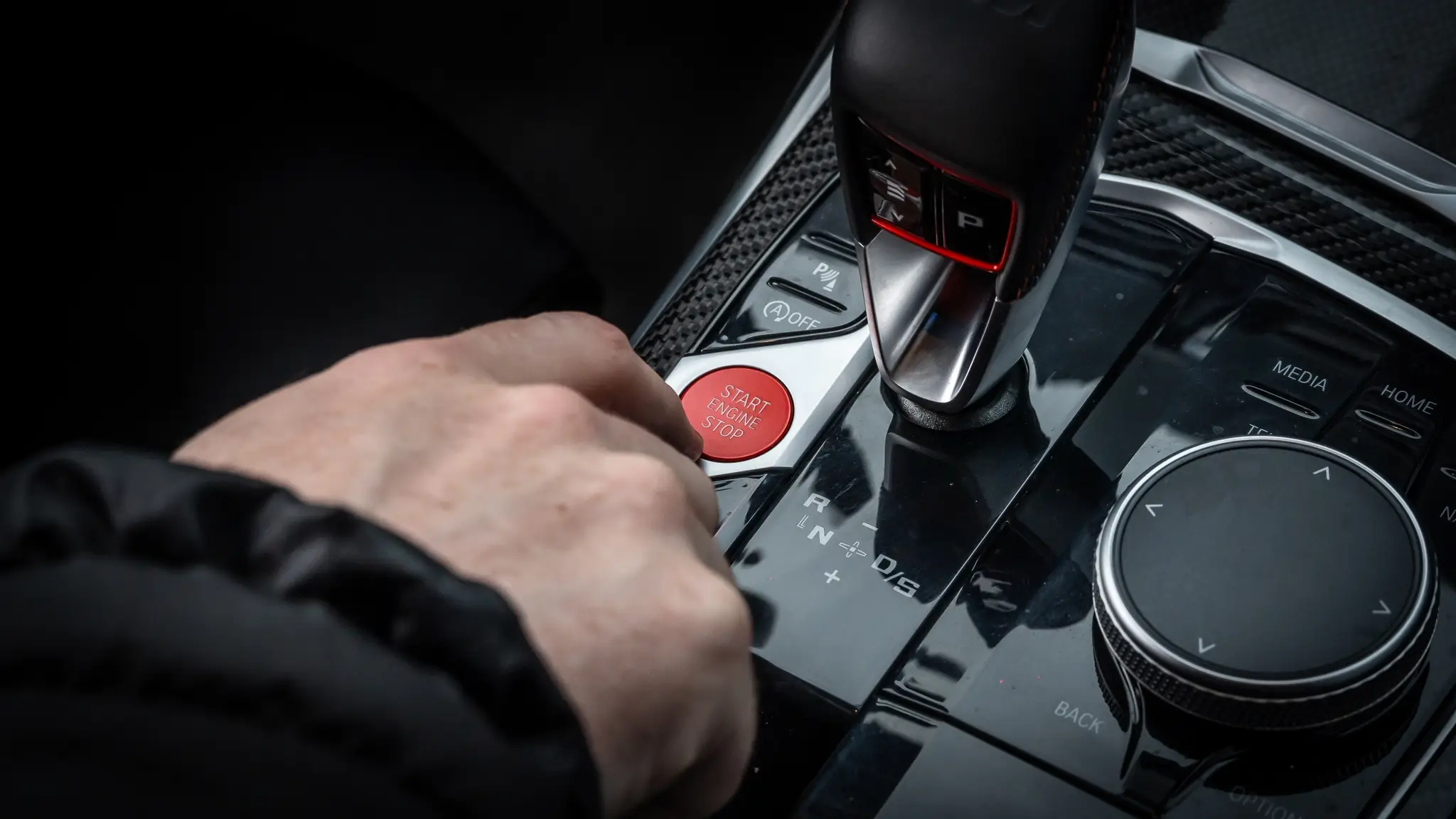
What is covered by automatic gearbox remapping at Shiftech Lille
 Torque limiters
 Gear-change mapping
 Clutch pressure
 Clutch cooling
Overhead passage system
Removal of the kickdown
Engine remapping only vs engine remapping + automatic gearbox: what the difference is
|
Criterion |
Engine remapping only |
Engine remapping + automatic gearbox at Shiftech |
|
Permissible torque |
Unchanged (risk of wheel spin) |
Increased depending on the map |
|
Gear changes |
Delayed or abrupt |
Optimised, faster and smoother |
|
Gearbox safety mechanisms |
Incompatible with the new torque |
Recalibrated |
|
Gearbox lifespan |
Reduced |
Maintained |
|
Driving experience |
Inconsistent |
Consistent |
This is the most popular configuration in my home city of Lille, and by far the most effective: simultaneously remapping the engine and the automatic gearbox. Here’s why this combination is so effective:
- The remapped engine delivers higher torque than the original gearbox can utilise to its full potential
- The remapped gearbox shifts faster and handles the extra torque better
- The two mapping profiles are synchronised to ensure seamless performance
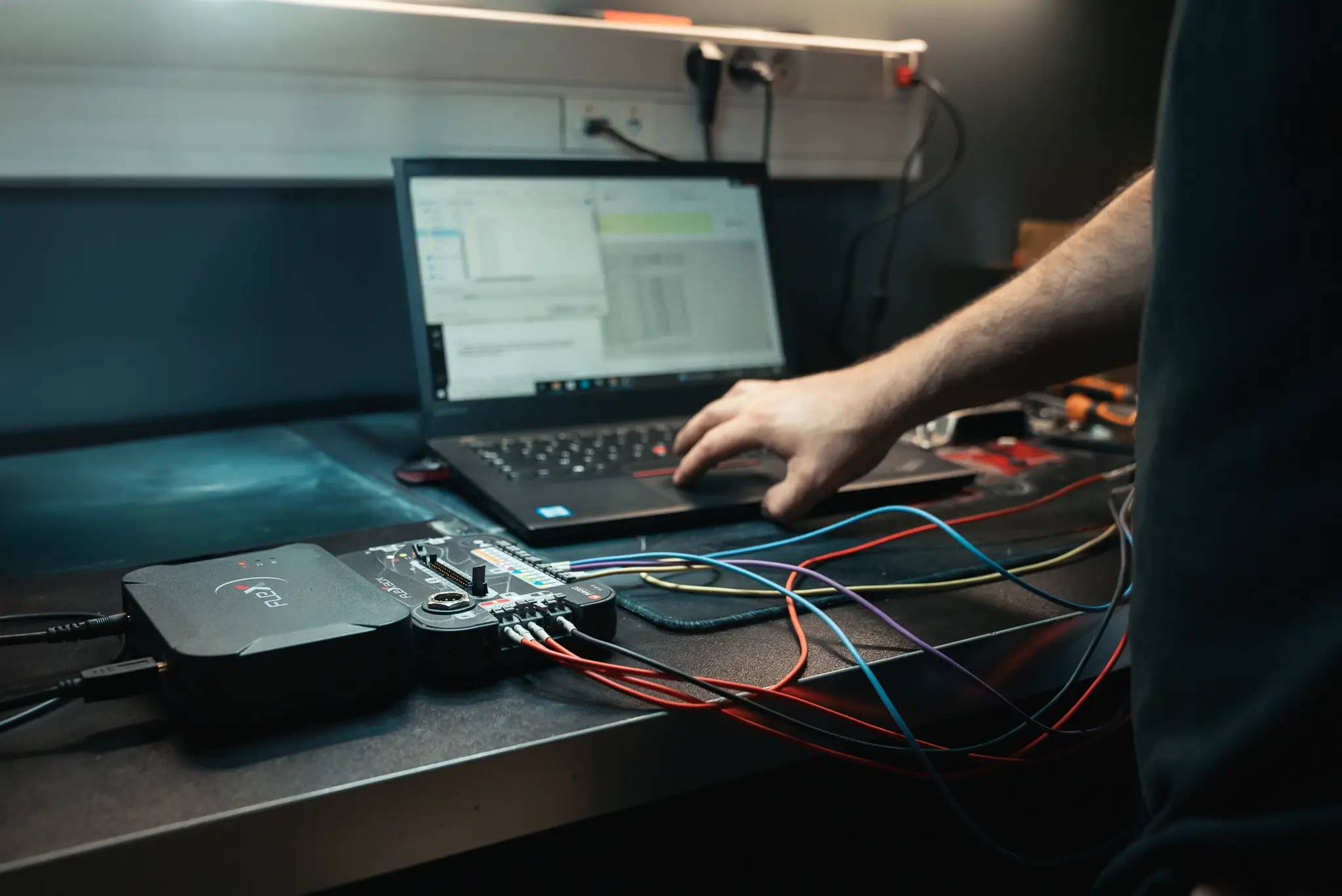
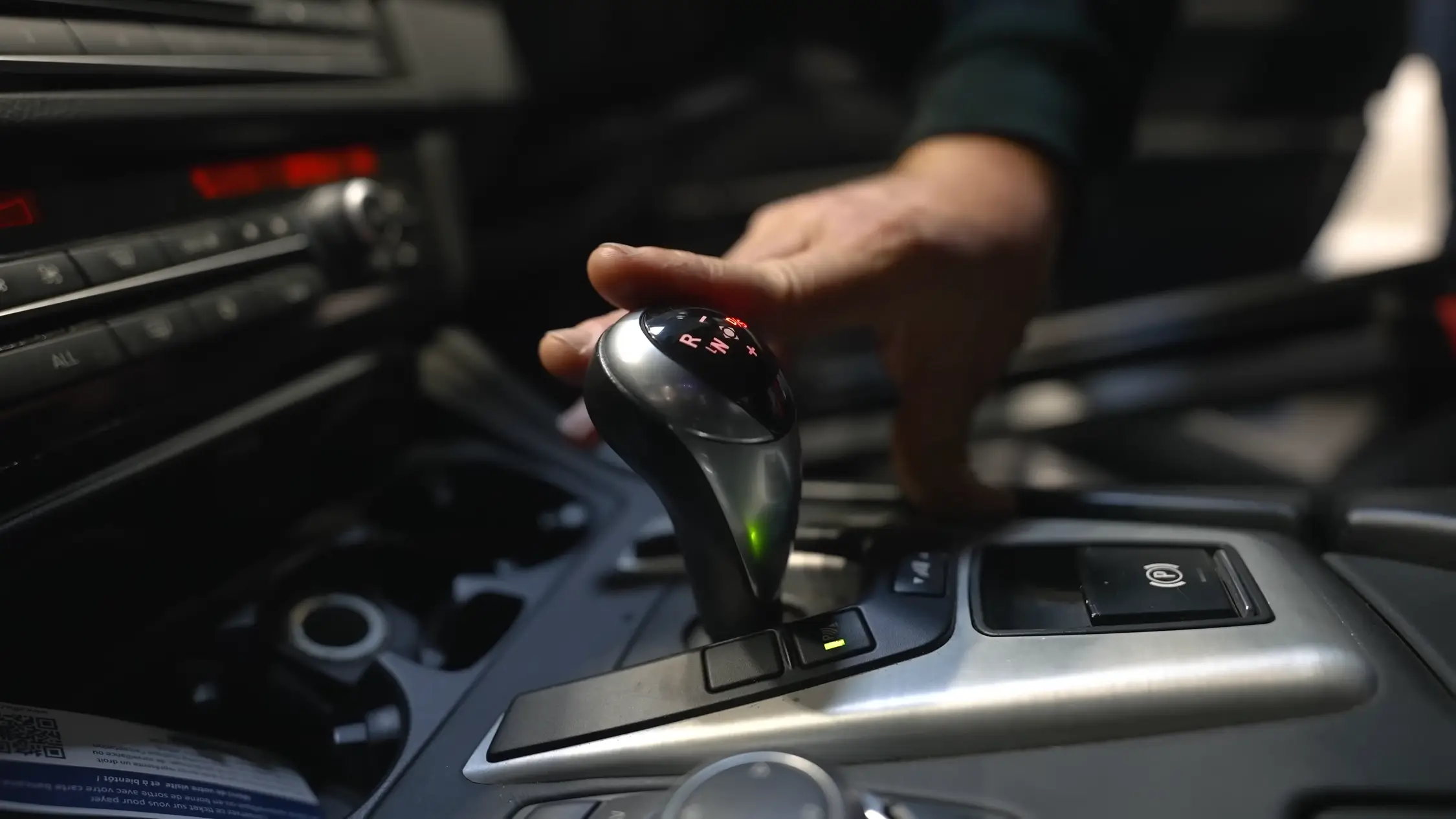
Reprogrammable automatic gearboxes in the centre of Lille
FAQ
Frequently Asked Questions
Yes. Automatic gearbox remapping is not limited to tuned vehicles. On a standard vehicle, it enables faster gear changes, better-timed shifts within the rev range, and more responsive gear changes. This is a separate modification in its own right, distinct from engine tuning.
The vast majority of dual-clutch gearboxes (DSG, S tronic, PDK, DKG, EDC) and torque converter gearboxes (EAT, ZF 8HP, Tiptronic) are compatible. CVTs are dealt with on a case-by-case basis. Please contact the centre with your vehicle’s details (make, model, version) to confirm compatibility.
When carried out correctly, automatic gearbox remapping does not compromise the transmission. By calibrating the safety mechanisms and clutch pressure in line with the engine’s actual torque, it actually reduces the risk of slippage and overheating, which damageunmodified gearboxes.
Yes, this is in fact the recommended procedure. Both remappings are carried out during the same appointment, with validation on a dynamometer. The consistency between the engine mapping and the gearbox mapping is checked before the vehicle is returned.
Your Shiftech centre in Lille (Sainghin-en-Mélantois)
Established in May 2022 in Sainghin-en-Mélantois, on the A1 motorway to the south-east of Lille, the Shiftech Lille centre is run by Clément and Mathieu.
Address: 466 Rue des Saules, 59262 Sainghin-en-Mélantois
Telephone: 03 74 47 47 90
Opening hours: Monday to Saturday · 9.00 am–12.30 pm and 2.00 pm–6.00 pm · Closed on Sundays
We welcome motorists from Lille, Villeneuve-d’Ascq, Lesquin, Templeuve-en-Pévèle, Seclin, Wattignies, Roubaix, Tourcoing, Douai, Valenciennes, and more broadly from across the Lille European Metropolis and the Hauts-de-France region, including customers from across the Belgian border.
Our additional services in Tours
Many customers who come in for an automatic gearbox remapping leave having also had other issues with their vehicle sorted out. Three services naturally go hand in hand at the Sainghin-en-Mélantois centre:
→ Pre-recalibration gearbox servicing: before recalibrating the mapping, it’s best to ensure that the mechanics themselves are in good working order. The MotulEvo oil change, carried out in accordance with the manufacturer’s recommendations, ensures that the transmission starts off on a reliable footing – a prerequisite that the team systematically recommends if there is any doubt about the condition of the fluid. → The MotulEvo oil change guide
→ Complementary engine optimisation: the majority of customers who have their gearbox remapped actually come in requesting a Stage 1, 2 or 3 power upgrade, or even an E85 conversion to run on flex-fuel. The automatic gearbox and the engine control unit are then programmed together to ensure that the two maps ‘speak the same language’. → Optimising your engine at Shiftech Lille
→ Preliminary electronic diagnostics: for vehicles with an uncertain service history or those already exhibiting borderline performance, running a diagnostic scan before any remapping helps rule out any underlying mechanical faults and ensures a sound starting point. → Checking your vehicle’s condition before work begins