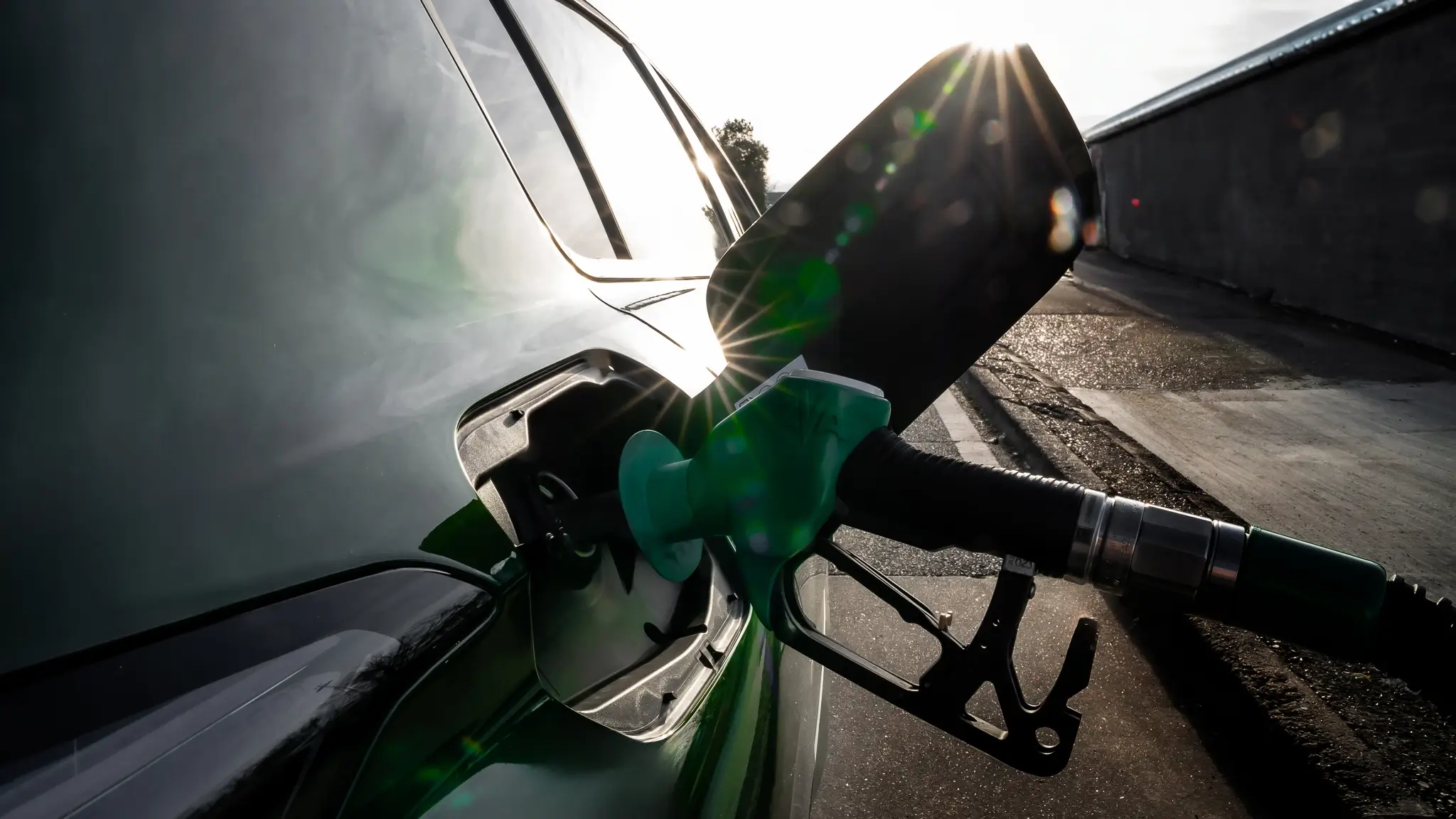
Will E85 conversion still be profitable in 2026?
Are you hesitating to switch to E85 in 2026, because of the constant variations in fuel prices? Our FAQ is designed to provide you with precise and useful clarifications. By providing you with all the key information, we aim to help you make an informed and appropriate decision to switch to e85 conversion and save money quickly.
Converting your car to ethanol: will it pay off in 2026?
Yes, and more than ever. In April 2026, the average price of Superéthanol-E85 was €0.75 a litre, compared with over €2.00 a litre for SP95-E10. That's a difference of €1.25 per litre, which makes converting to E85 particularly attractive, especially as the Finance Act for 2026 has confirmed that Superethanol-E85 will continue to be taxed at a favourable rate, following the rejection by a large majority in Parliament of a proposal to increase taxation in autumn 2025. Still not sure? Our FAQ is designed to provide you with precise and useful explanations, so that you can make an informed decision and save money quickly.
A few calculations to help you understand profitability
Let's take the example of a car travelling 17,000 km a year with an average consumption of 7 litres per 100 km. Taking into account the 20% extra consumption due to ethanol, the real cost per kilometre with E85 is still almostwith annual savings of between €744 and €2,232 depending on mileage, from 10,000 to 30,000 km/year.
For a more standard mileage, a motorist travelling 13,000 km a year saves €705 a year, and up to €1,085 for 20,000 km, taking into account a 25% increase in fuel consumption. These figures speak for themselves.
What will change in 2026: a more favourable environment for E85
The crisis in the Middle East has caused fossil fuels to soar, but over the first fortnight of March 2026, E85 rose by just €0.02, while SP95-E10 gained €0.16 and diesel €0.32. The very nature of bioethanol, produced mainly from French agricultural raw materials, makes it a real shield against the volatility of fossil fuel prices.
The craze continues: since March 2026, visits to the bioethanol website have quadrupled, and requests for ethanol reprogramming have soared at Shiftech.
In April 2026, more than 4,032 service stations were distributing Superéthanol-E85 in France, and 93% of French people live less than 10 km from a service station. So accessibility is no longer a barrier. Each option offers an effective way of reducing fuel costs over the long term, while contributing to greener driving.
Historical prices!
Price history: what 2024 and 2025 have taught us
e85 price trends: A significant rise, but still competitive
Recent years have seen a marked increase in the price of fuels, including E85 bioethanol. Since 2021, the price of E85 has risen considerably, from €0.70 per litre at the start of 2022 to around €1.15 per litre at the start of 2023, an increase of 64%. Despite this increase, Superethanol-E85 remains significantly cheaper than other fuels. In 2025, the price of this new-generation fuel will average €0.78, depending on the region, at the time of updating this article. This represents a saving of around €1 per litre compared with SP98.
By way of comparison, at the start of 2023, the average price of SP95-E10 was €1.84/litre (an annual increase of 10%), diesel €1.85 (an increase of 20%) and SP98 €1.90/litre (an increase of 10%). These figures clearly show that all fuels have seen increases, with E85 remaining a more economical option despite a higher rise.
Success in figures: 900 million litres consumed by 2025
Nearly 900 million litres. No, that's not the amount of rosé that was drunk on French terraces last summer. That's how much Superethanol-E85 will be consumed in France in 2025 alone, i.e. around 860,000 m³ distributed at French service stations. And if all the bioethanol in petrol is included, more than 19 million hectolitres will be consumed in France in 2025, up 15% on 2024. Superethanol-E85 now accounts for 1 in 3 litres of the ethanol consumed in petrol in France.
E85
The reasons for the stability of e85 ethanol prices
The rise in the price of E85 can be explained by a number of factors, mainly linked to widespread inflation in agricultural raw materials and energy, particularly natural gas. Bioethanol producers, who often come from the sugar or starch industries, rely heavily on gas for various stages of production, such as the manufacture of nitrogen fertilisers and distillation.the gas crisis in 2022, exacerbated by the conflict in Ukraine, has led to high prices.
In addition, the impact of high diesel costs for agricultural machinery and ethanol transport is also influencing prices.
However, by 2025, gas costs are expected to fall. The tariffs negotiated for this year reflect a fall in gas prices, offering the prospect of a fall in the price of ethanol, estimated on average at €0.78/l. This suggests a potential easing of pressure on E85 prices, making it even more economical.
Flexfuel
Will e85 conversion still be profitable in 2024?
Using E85 bioethanol offers significant economic and environmental benefits compared with unleaded petrol.
Here are a few calculations to help you understand!
Let's take the example of a car travelling 17,000 kilometres a year, with an average fuel consumption of 7 litres per 100 kilometres.
By opting for E85, you could make substantial savings. You could save around €80-90 a month, reducing your annual fuel budget from €2,261 to €1,215, a saving of €1,001. These calculations take into account the 20% extra consumption associated with the use of ethanol, due to its lower energy density compared with conventional petrol.
These figures show that, despite slightly higher consumption, E85 remains an economically advantageous and environmentally beneficial option, offering a real alternative to traditional fuels.
Flexfuel
Return on investment from conversion to biotethanol
There are two main options for converting a vehicle to ethanol:
-
Engine reprogramming: E85 Flex-Fuel conversion, costing around €590, changes the engine parameters to make it compatible with ethanol and petrol. With this solution, the investment pays for itself in just 7 months after reprogramming, thanks to the savings made on fuel.
- Approved EFlexFuel E85 box: At a cost of around €1,000, this system pays for itself in around 1 year. This timeframe is justified by the substantial savings made on fuel thanks to the use of ethanol, offsetting the initial cost of installation.
Each option offers an effective way of reducing fuel costs over the long term, while contributing to greener driving.
