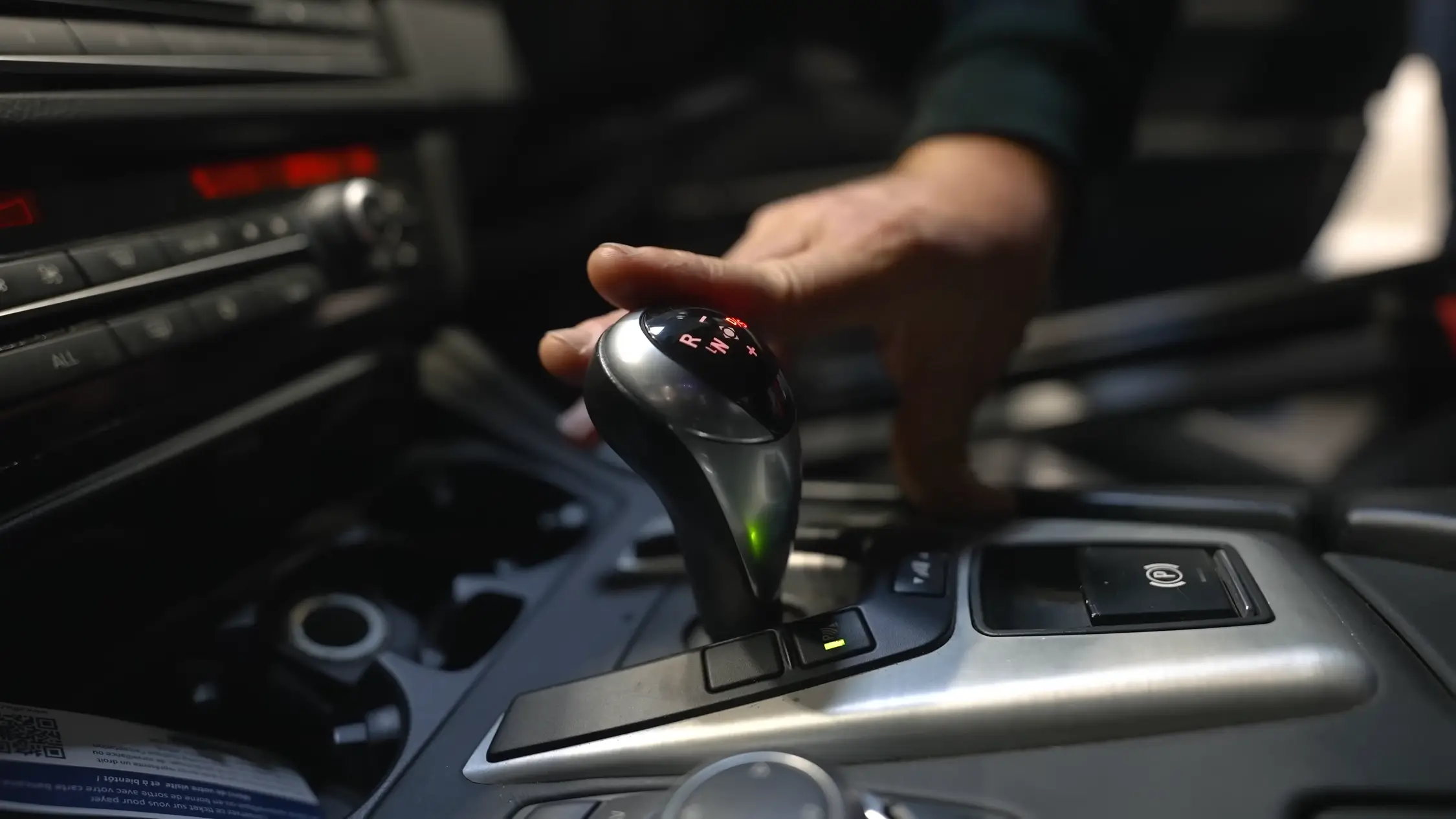
Automatic gearbox running low on oil: the tell-tale signs
Your automatic gearbox doesn’t speak to you. But it does send you signals. Jerky gear changes, sluggish response, a dull thud from the transmission tunnel – this isn’t normal, and it’s not something to be taken lightly.
An automatic gearbox that’s low on oil is a gearbox that’s wearing out. Silently, gradually, until the damage becomes irreversible. Replacing a gearbox costs between 2,000 and 5,000 euros. A preventative oil change costs far less.
Here are the symptoms to look out for, and what to do when you spot them.
Gearbox oil
Why automatic gearbox oil is irreplaceable
Transmission oil fulfils three functions simultaneously: it lubricates the internal components, transmits the hydraulic pressurerequired for gear changes, and cools the entire system. It should not be confused with engine oil, they are two distinct fluids, with different specifications and change intervals.
When the level drops, or when it deteriorates and loses its properties, all three functions are compromised at the same time. This is why a gearbox running low on oil can exhibit very different symptoms depending on the stage of deterioration and the type of gearbox (DSG, EDC, ZF, Aisin, etc.).
Symptoms
The 7 signs that an automatic gearbox is low on oil
1. Jerky or abrupt gear changes
This is often the first sign. A healthy automatic gearbox changes gears almost imperceptibly. If you feel any jolts, jerks or a ‘jolt’ sensation when changing gear, particularly between first and second gear, this is not normal.
The cause: an insufficient oil level leads to a drop in hydraulic pressure. The gearbox no longer has the power required to engage gears smoothly. It hesitates, then engages abruptly.
2. Transmission slippage
The engine revs up, but the vehicle does not accelerate normally. You press the accelerator, the engine revs rise, but the car is slow to respond. This is the classic symptom of an automatic gearbox slipping.
This phenomenon is mainly observed during sharp acceleration or when pulling away. It indicates that the fluid is no longer transmitting power correctly between the engine and the wheels.
3. Unusual noises from under the car
Whistling, squeaking or metallic clattering – any abnormal noises coming from the transmission tunnel are a serious warning sign. They indicate that internal components are rubbing against each other without sufficient lubrication.
4. A delayed response when shifting into ‘Drive’
You move the gear lever to ‘D’, release the brake, and it takes several seconds before the car moves off. This abnormal delay between the command and the gearbox’s response indicates a problem with hydraulic pressure, directly linked to the level or quality of the oil.
5. Overheating or a burning smell
Transmission fluid plays a crucial role in cooling the system. When the fluid level is too low or the fluid has deteriorated, the internal temperature of the gearbox rises. You may sometimes notice a burnt smell inside the cabin or around the vehicle after use.
This is a late-stage symptom; if you notice it, the gearbox is already under significant thermal stress.
6. A warning light on the dashboard
Some newer vehicles are fitted with sensors that detect transmission faults. A warning light specific to the gearbox or an alert messageon the on-board computer may directly indicate a problem with the fluid level or temperature.
Do not ignore this warning. In modern gearboxes (DSG, PDK, EDC, etc.), an unresolved fault can quickly cause the gearbox to enter a limited-performance mode or prevent gear changes. An electronic diagnostic scan allows you to precisely identify the fault code recorded by the gearbox control unit, and to determine whether the problem is related to the oil level, a sensor or an internal component.
7. Gears slipping or an incorrect gear engaged
The gearbox shifts into an unintended gear, refuses to upshift, or remains stuck in a gear when driving conditions would require a change. This symptom indicates that the internal components are no longer functioning correctly, often because the hydraulic pressure is too low to actuate the gearshift actuators.
Mileage
At what mileage should you start checking your gearbox oil?
Transmission oil does not last forever. Contrary to what some manufacturers claim with their ‘lifetime transmission oil’ label, professionals agree on one fact: the oil degrades, becomes contaminated with metal particles, and loses its lubricating properties over time.
At Shiftech, we recommend changing the automatic gearbox oil every 60,000 to 80,000 km, depending on usage and the type of gearbox; this should be done more frequently in the case of sporty driving, regular towing or heavy urban traffic (which causes the transmission to overheat).
What should you do if you recognise these symptoms?
Compatibility
Automatic gearboxes compatible with Shiftech
Shiftech supports virtually all automatic gearboxes on the market: DSG (VAG Group), PDK (Porsche), EDC (Renault/Dacia/Mercedes), DKG (BMW), S-tronic (Audi), ZF, Aisin, PowerShift (Ford), EAT (Peugeot/Citroën/DS), Xtronic (Nissan), e-CVT (Toyota/Lexus hybrids)...
If you’re not sure whether your gearbox is compatible, please contact your local Shiftech centre directly – our team can confirm this for you in a matter of minutes.
FAQ
Automatic gearbox and low oil level
Technically, yes, but it is strongly advised against. Every kilometre driven with an insufficient oil level causes further damage to the internal components. The longer you wait, the higher the repair bill is likely to be.
On many modern vehicles, there is no dipstick accessible to the owner; checking the oil level requires a visit to a garage. If you notice any of the symptoms listed above, the easiest thing to do is to pop into Shiftech.
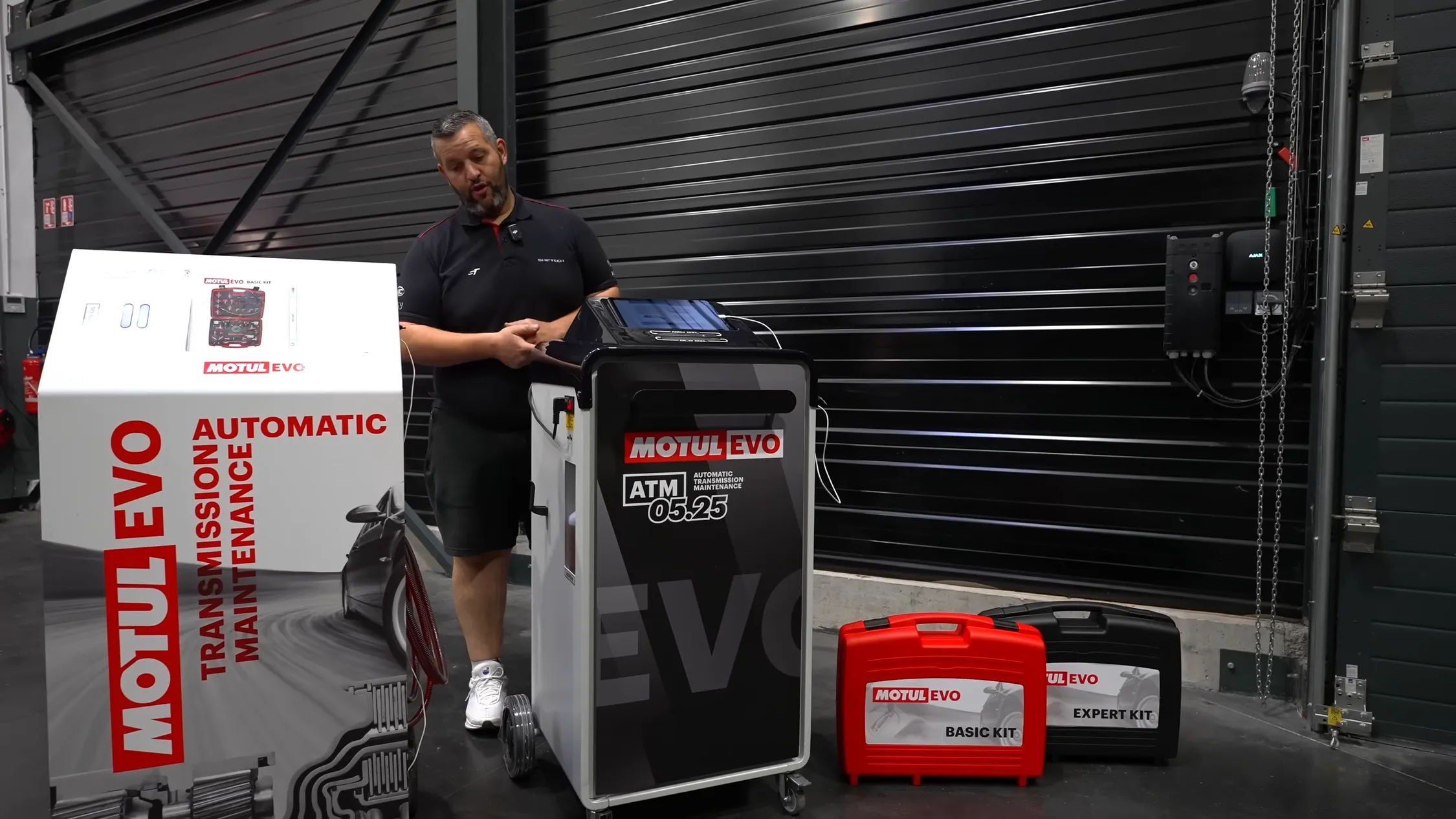
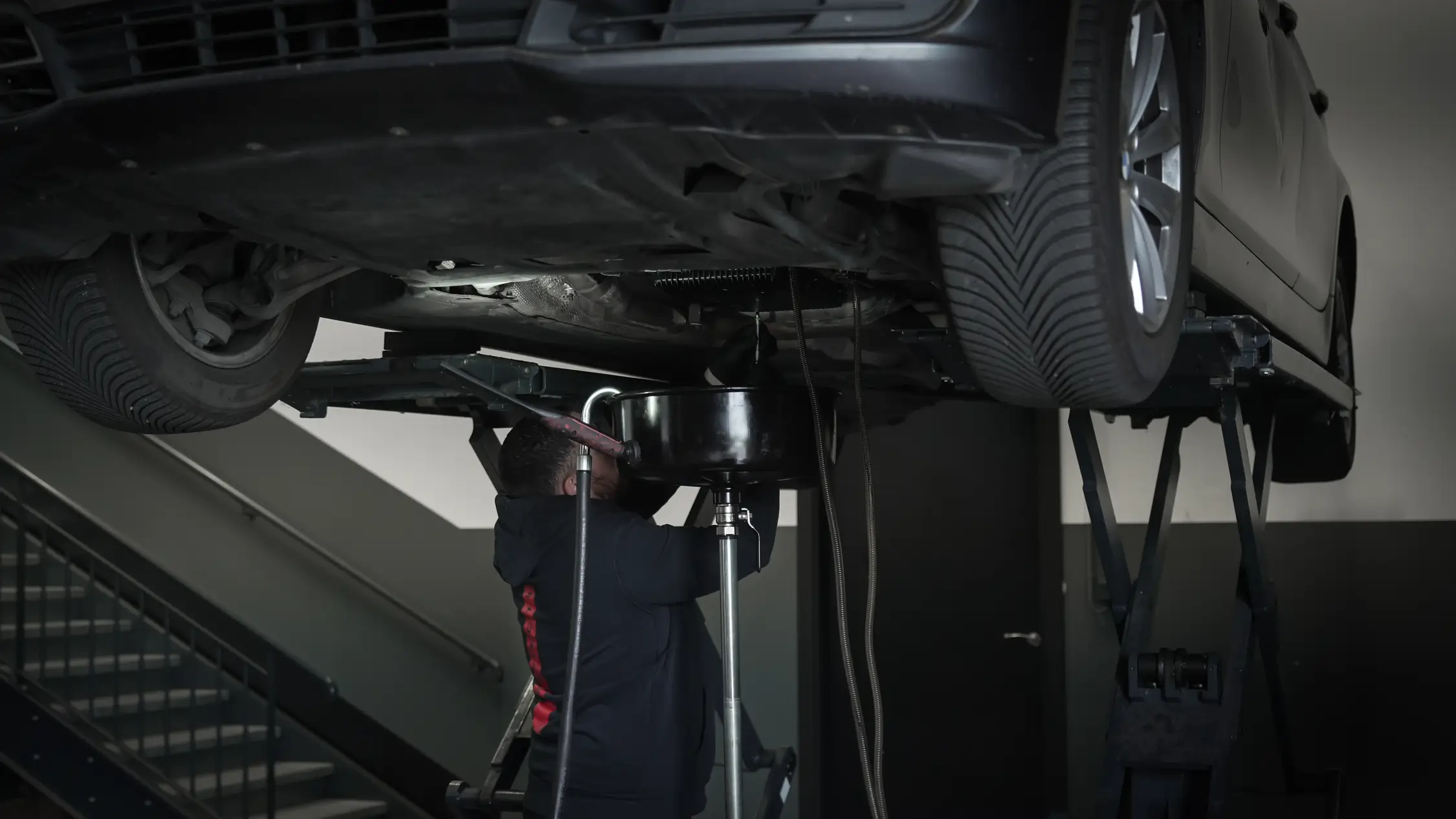
Yes. A standard gravity drain only recovers part of the oil (around 40–60 per cent). The MotulEvo machine carries out a complete oil change by replacement, whilst also flushing the system, which ensures that the new oil is not contaminated by residues from the old oil.
Contact

