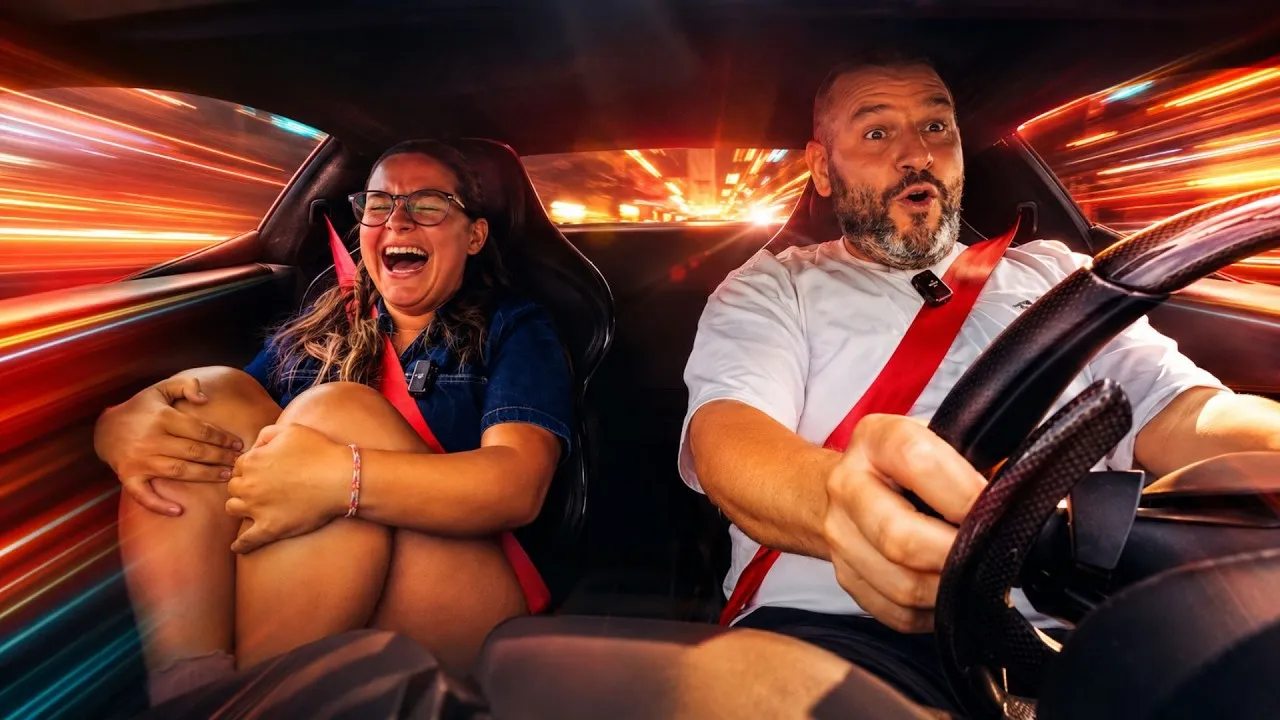
Ferrari 296 GTB: the Stage 1 remap that pushes the power output past 1,000 ch
Three years. That’s how long it took before we were able to remap the Ferrari 296 GTB that has been on the Shiftech network since it was acquired. Not for lack of expertise, but because its Bosch MG1CS039 ECU was, until recently, completely locked down, inaccessible to any tuner. That is no longer the case. For the past few weeks, this ECU has been unlocked, and we immediately put the 296 on the dynamometer to measure its stock output, and then after Stage 1 tuning. Stock figures: 889 ch and 950 Nm, already exceeding the 830 ch and 900 Nm claimed by Ferrari. Results after Stage 1, without any mechanical modifications: 1,013 ch and 1,070 Nm. Two passengers took part in a full-scale road test. Here’s how we got there, step by step.

A 296 GTB hybrid: no reprogramming possible for three years
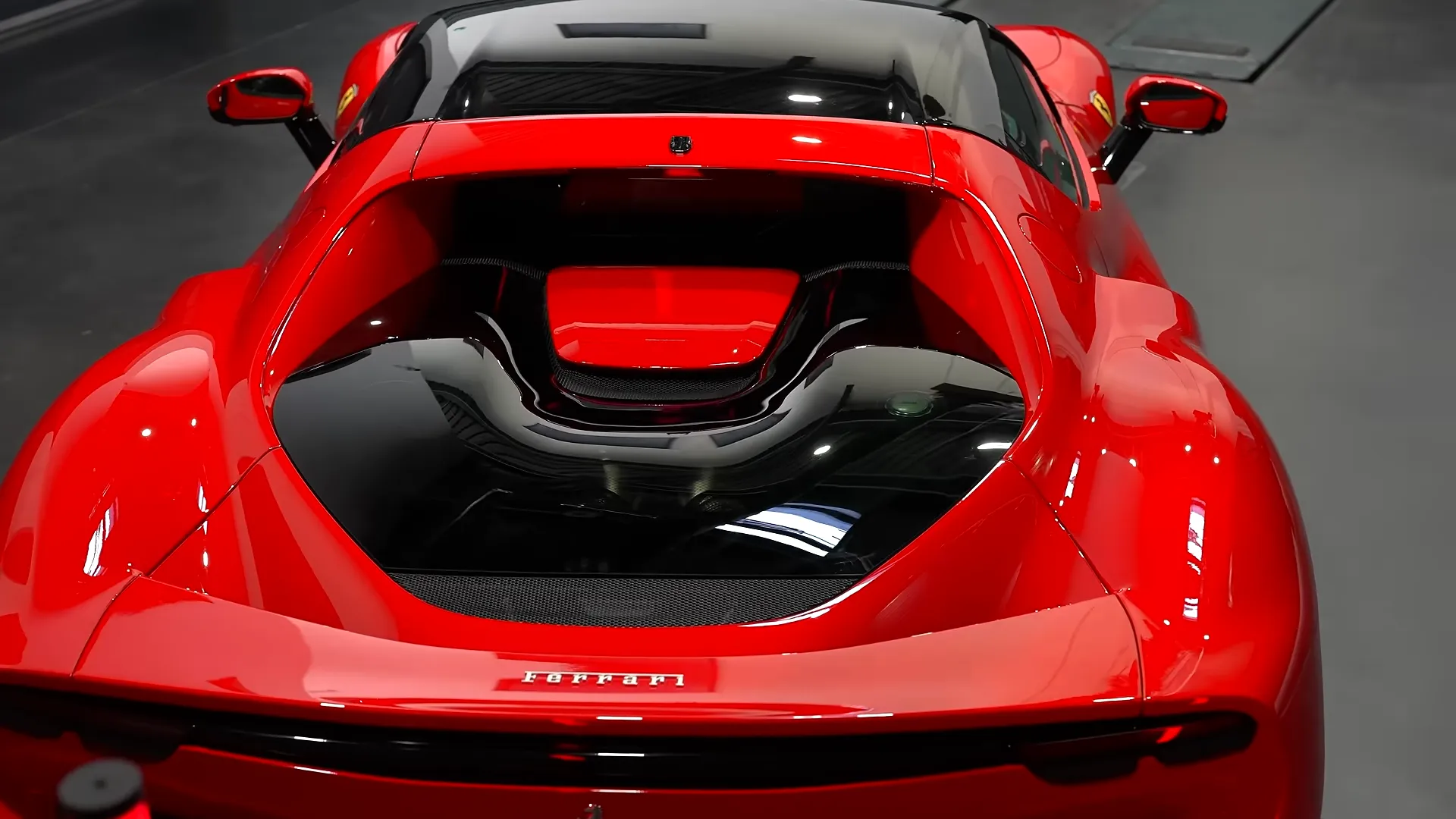
The Ferrari 296 GTB is Ferrari’s first plug-in hybrid berlinetta. Its powertrain combines a 2.9-litre twin-turbo V6 with a 120-degree angle and an electric motor, delivering a combined power output of 830 ch and 900 Nm, in a chassis weighing just over 1,450 kg.
Since its launch in 2022, the 296 has embodied everything a car enthusiast could hope for in a modern Ferrari: a hybrid architecture that makes no compromises on driving dynamics, torque available immediately at low revs, and a rev range extending up to 9,500 rpm. The problem was that it was also fitted with an ECU that could not be accessed.
The Bosch MG1CS039 that controls this system was locked at a level that made any intervention impossible. No reading, no writing, no reprogramming. This 296 has been part of the Shiftech network for three years. It has clocked up over 11,500 km, taken part in club test drives and endured high-speed sessions. It had been waiting for its upgrade from the very beginning.
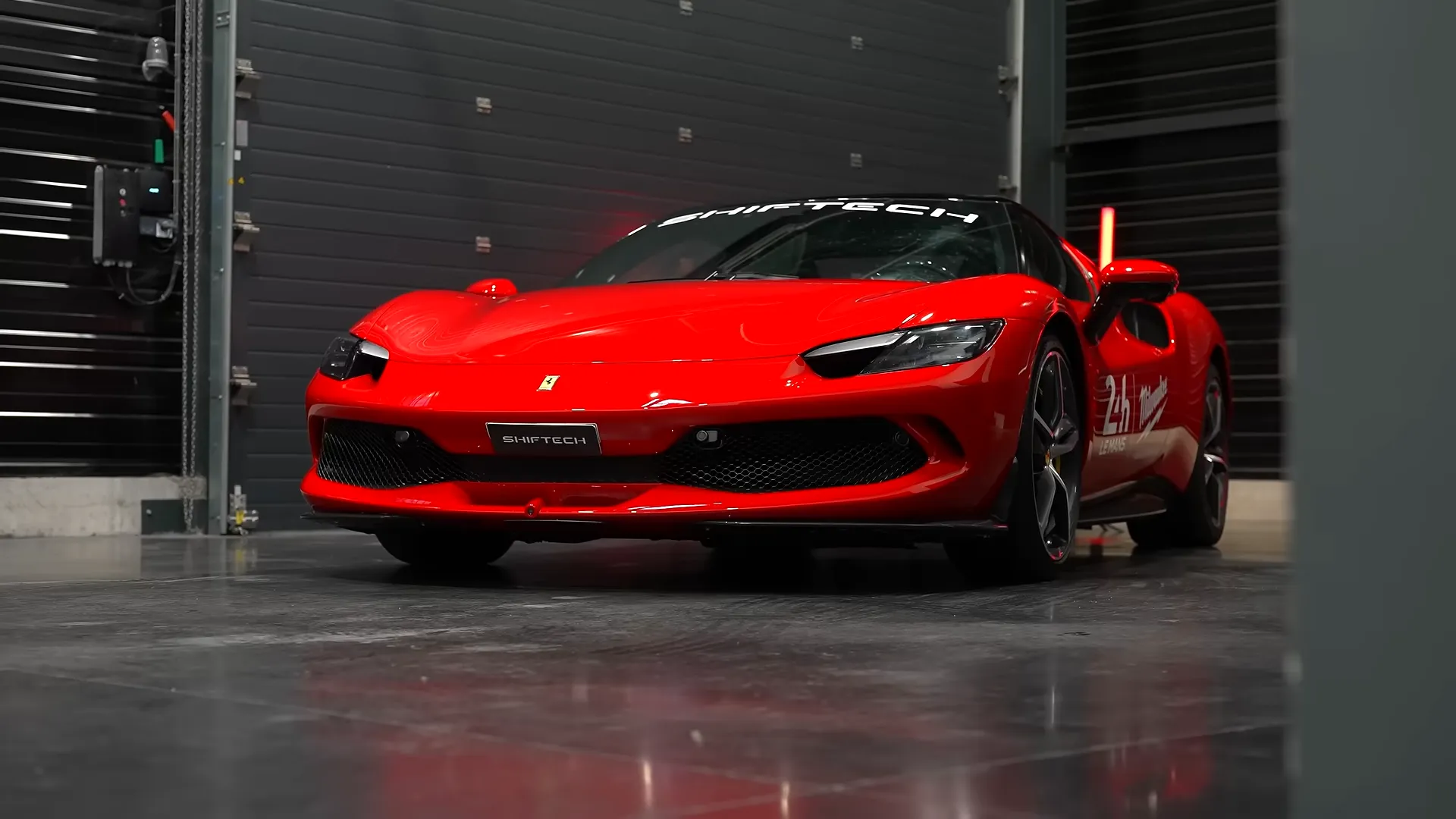
Bosch MG1CS039: a control unit that has been unlocked for a few months
The Bosch MG1CS039 is the engine control unit fitted to Ferrari’s latest and most exclusive models: the 296 GTB and GTS, the Purosangue, the 12Cilindri and the F80. This generation of ECU is designed to manage complex engine architectures, including high-pressure direct injection, hybridisation, advanced thermal management and torque vectoring.
Its software protection was on a par with its sophistication. Until recently, any work on it required it to be sent abroad, at high cost and with uncertain turnaround times. This is no longer the case.
Today, the ECU is unlocked via our specialist partner. The process in practice: we remove the ECU, send it off, and it returns unlocked within 3 to 4 days. The cost of this stage is €450. Once the ECU is back, we refit it, put the car on the dynamometer and start the reprogramming process.
This development doesn’t just apply to the 296. If you have a Purosangue, a 12Cilindri or an F80, your ECU is now accessible too. And if you’re unsure about your vehicle’s status, the easiest thing to do is to contact your nearest Shiftech centre.
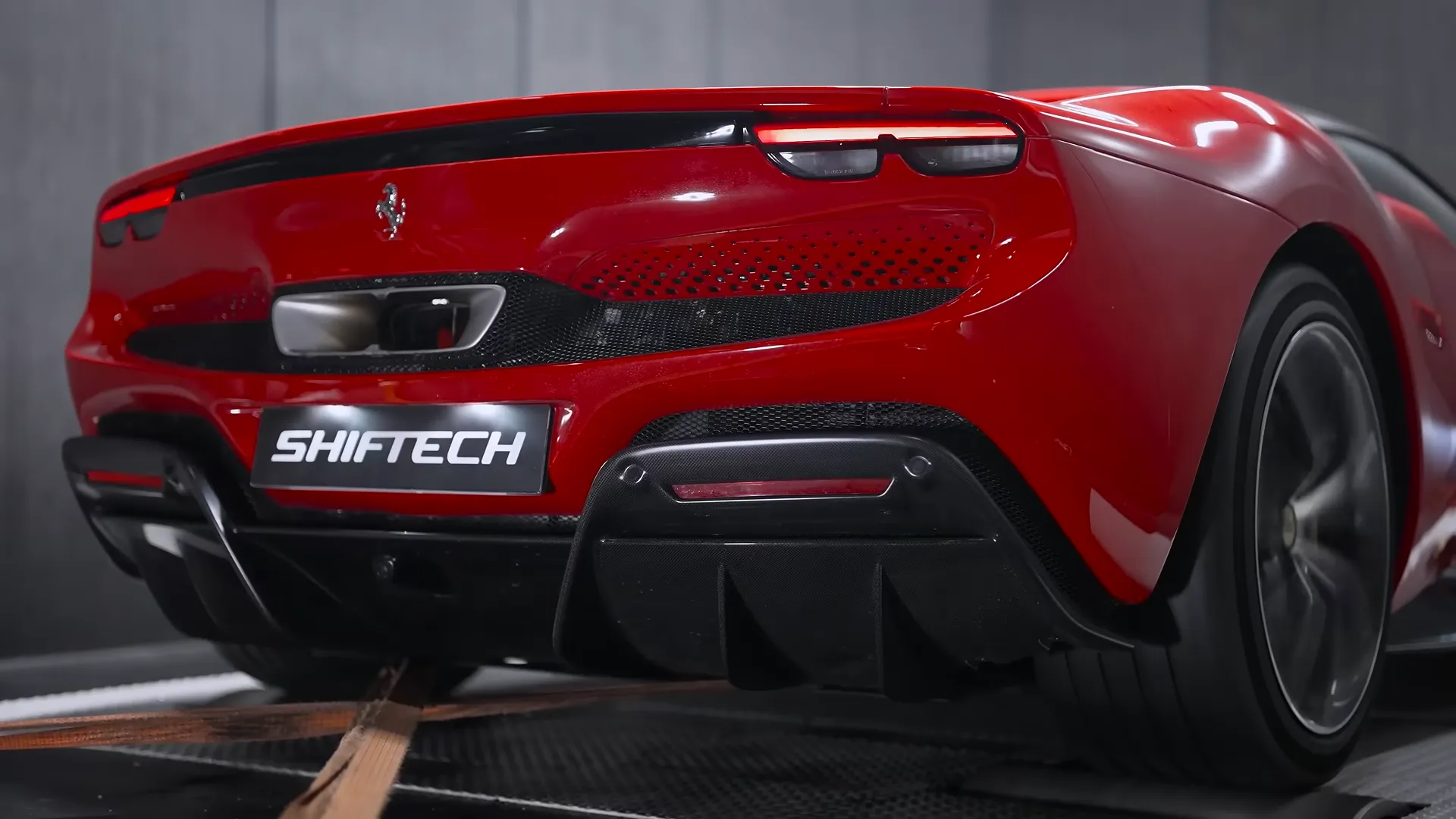
Original dynamometer measurement: 889 ch instead of 830
Before tuning, we take measurements. This is a rule that applies to all vehicles that come through Shiftech, and it takes on particular significance with a plug-in hybrid.
The 296 GTB has its own specific requirements on the dynamometer. To obtain a representative measurement of combined power, two conditions must be met: a fully charged battery and ‘Qualify’ driving mode (the car’s highest performance mode). Outside these conditions, the electric motor does not deliver its maximum power and the measurement is underestimated.
We adhered to these conditions. The result: 889 ch and 950 Nm, compared with the 830 ch and 900 Nm claimed by Ferrari. The 296 GTB already exceeds the manufacturer’s figures even under optimal testing conditions. This is not surprising: the combination of electric and combustion power under ideal conditions generates a measurable power surplus, and manufacturers’ claims are often conservative.
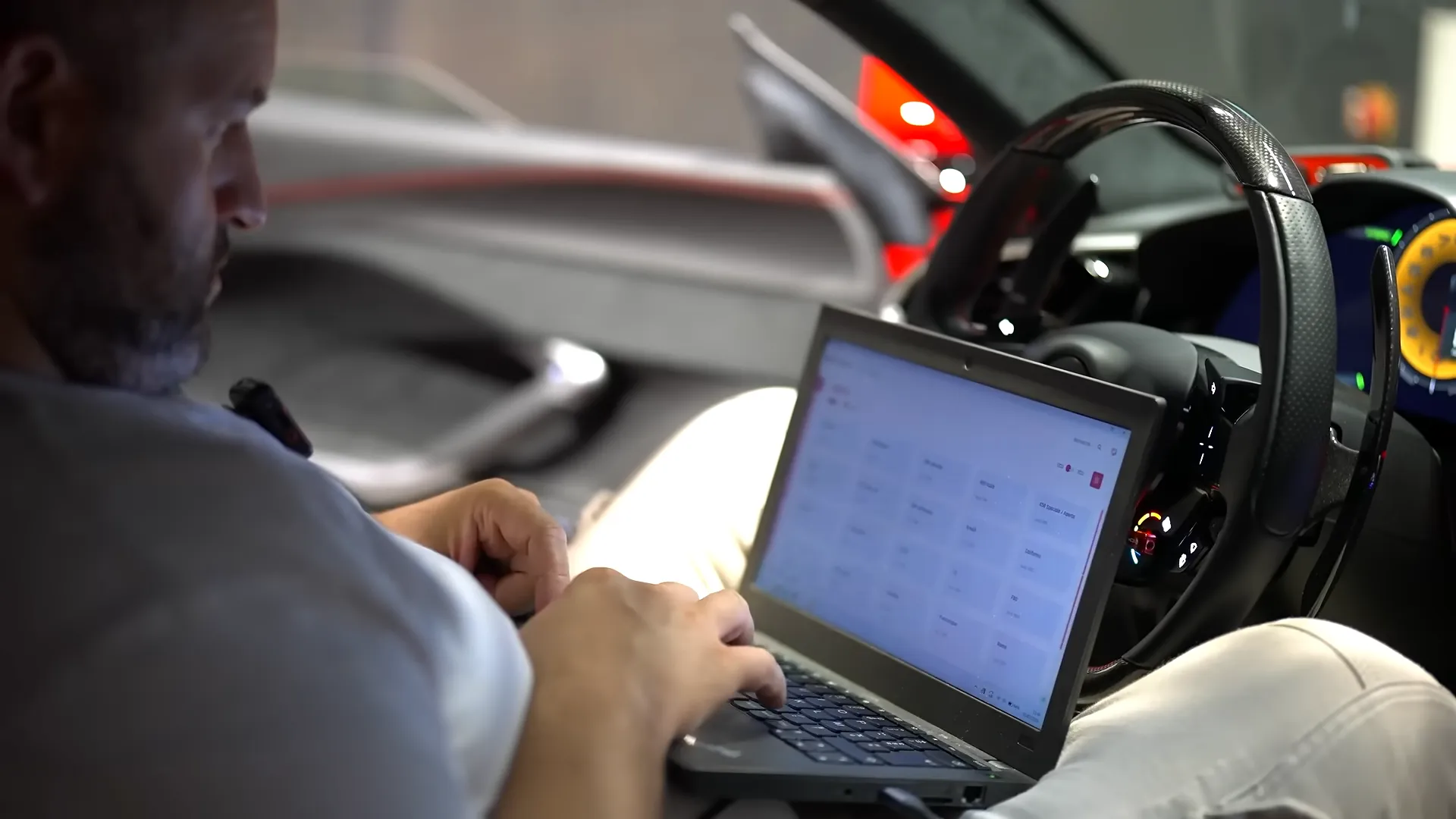
Stage 1: 1,013 ch and 1,070 Nm, without any mechanical modifications
We’ve remapped it. No additional parts, no modifications to the exhaust system, no mechanical changes. Stage 1 involves optimising the original engine mapping: turbo pressure, injection curves, torque management. Nothing else.
Power bench results: 1,013 ch and 1,070 Nm.
Compared with the original figures, that’s an increase of 124 ch and 120 Nm. In a car weighing around 1,450 kg, this power-to-weight ratio puts the tuned 296 in a class of its own. Total cost of the upgrade: €1,499 for the remapping, €450 for unlocking the ECU, making a total of €1,949 to break the 1,000 ch barrier with a pure Stage 1 upgrade.

The driving experience: two passengers, two opinions
Power-bench figures don’t always do justice to how the car performs in real-world conditions. We took two passengers on a test drive, both with very different backgrounds.
Manon, a work-study student in communications at Shiftech, was finishing her last day at our offices. She competes in the 4L Trophy and is no stranger to fast-moving vehicles. The instructions: with her feet off the floor, we timed how long it took for her to touch the seat again. The verdict was clear: she was pressed firmly against the seat the whole time, her legs trembling as she got out. “It really propelled me forward” is more or less how she summed it up.
Médéric, owner of the bar-brasserie Chez Dub next to our centre, was getting into a vehicle of this category for the first time. His point of comparison up until then: a Seat FR pushed to 180 km/h. After two bursts of acceleration on the road, he spontaneously estimated the power at 950 ch based on how it felt, without having seen the figures. What struck him most was the total absence of lag at low revs and the sheer force of the acceleration when shifting into third gear. The car had been lulled into a false sense of calm by a quiet stretch of road, then came the surge of power: the effect was all the more intense because it came completely out of the blue.
Two different driving styles, two levels of experience with this type of car, yet the same conclusion.
The specific features of reprogramming a PHEV hybrid
The 296 GTB is not a combustion-engine car with a little extra electric power. It is a fully-fledged plug-in hybrid, whose on-board electric motor produces around 130 to 160 ch on its own.
This architecture has direct implications for reprogramming and performance testing. The power recorded on the dynamometer is a combination of the internal combustion and electric contributions, and varies depending on the battery’s state of charge. To make a rigorous comparison of measurements taken before and after tuning, the test conditions must be strictly identical for each run.
On the road, the electric motor eliminates turbo lag: it delivers its torque immediately, even at low revs, whilst the V6 builds up boost. The 296 behaves as if the turbo didn’t exist. Gear changes do not result in any perceptible dip in power. The Stage 1 tuning amplifies this behaviour, primarily in the high-rev range of the combustion engine, where the twin-turbo V6 expresses its full potential. It is this combination that yields the 1,013 ch result: an unmodified electric motor, and a reprogrammed combustion engine that makes better use of its upper rev range.
Further reading:
- Ferrari 296 GTB/GTS remapping — results and prices by engine type
- Bosch MG1CS039: the Ferrari ECU is finally reprogrammable — technical background on the MG1 range
- Engine remapping — all makes and engine types
YouTube video: Ferrari 296 GTB engine remapping
1XXX CH IN THE FERRARI ON STAGE 1 (Manon is glued to her seat)!
Learn more
View articles
Similar


